
THE HISTORY AND UNTOLD LEGACY OF THE ANTWERP SIX
- BY KRISTOPHER FRASER
- 11 NOVEMBER 2025
- 6 Min
In 1986, six graduates from the Royal Academy of Fine Arts in Antwerp packed into a small van and headed to London for the British Designer Show. It took only three days for stores like Barneys, Bergdorf Goodman, and Liberty of London to stock their collections. The six designers were Walter Van Beirendonck, Dries Van Noten, Ann Demeulemeester, Marina Yee, Dirk Bikkembergs, and Dirk Van Saene. They became known as the Antwerp Six—a name that would go down in fashion history.
For decades, these six designers rose to international stardom and became some of the most respected names in fashion. While some, like Dries Van Noten, gained global recognition, others, like Marina Yee (R.I.P.), preferred to remain under the radar yet still earned high regard in the fashion world. The group earned the nickname “the Antwerp Six” because media outside Belgium often struggled to pronounce their names.
One of the most remarkable things about the group is that there has never been another collective quite like it. For years, people have watched the graduating classes of the Royal Academy—and even other design schools—hoping for a similar phenomenon to emerge. Though many talented designers have come from the Royal Academy, the Antwerp Six remain irreplaceable.
Beyond their shared education at the Royal Academy of Fine Arts, the group also benefited from excellent timing. When they graduated, Belgium’s fashion scene was gaining unprecedented investment.
At the same time, London was experiencing a surge in subcultures, and London Fashion Week was rising in global influence. The world economy in 1986 was characterized by excess and consumer optimism—a perfect backdrop for the Antwerp Six’s experimental and avant-garde approach.
During the 1980s, Belgium’s fashion industry underwent significant transformation. The Belgian government launched the Golden Spindle Competition to promote local fashion and introduce young designers to major ready-to-wear brands. The Antwerp Six, along with Martin Margiela—who was in their graduating class—regularly won awards at these events. Their rise coincided with a cultural hunger among Belgian consumers for homegrown fashion that bridged daywear and nightlife.
Simultaneously, warehouse parties and underground clubs drove demand for more expressive, statement-making fashion. People wanted clothes that felt unique, performative, and far removed from everyday life.
Each of the six designers would go on to carve a distinct identity while maintaining shared DNA rooted in Antwerp minimalism and conceptualism.
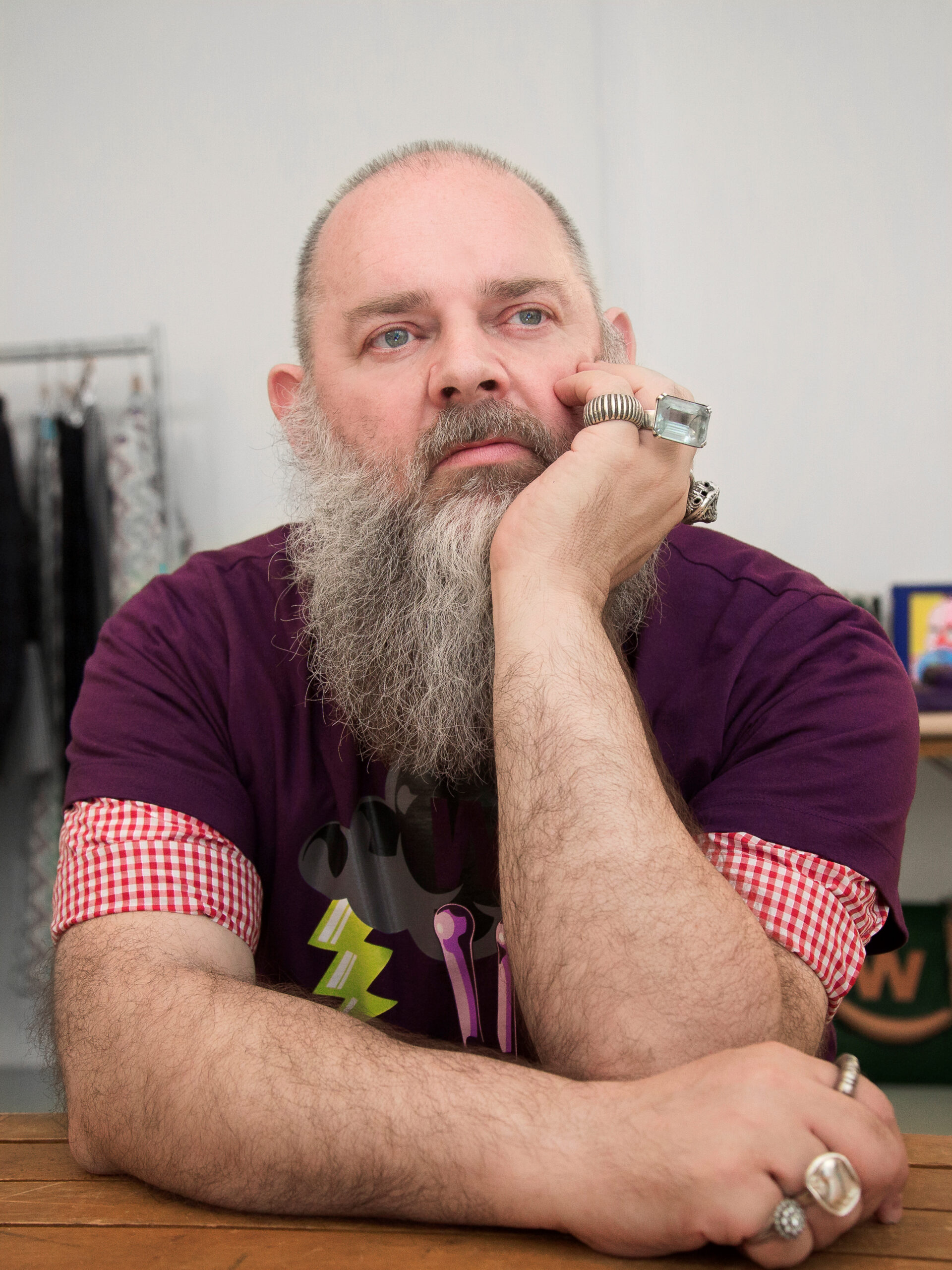
Walter Van Beirendonck, visionary and mentor of Belgian fashion’s next generation. Photo: Courtesy of Filep Motwary
Walter Van Beirendonck drew inspiration from visual art, nature, and global cultures. Known for his bold color palettes and social commentary, he also designed costumes for U2’s PopMart Tour. Beirendonck later became head of the fashion department at the Royal Academy, mentoring new generations until his retirement in 2022.
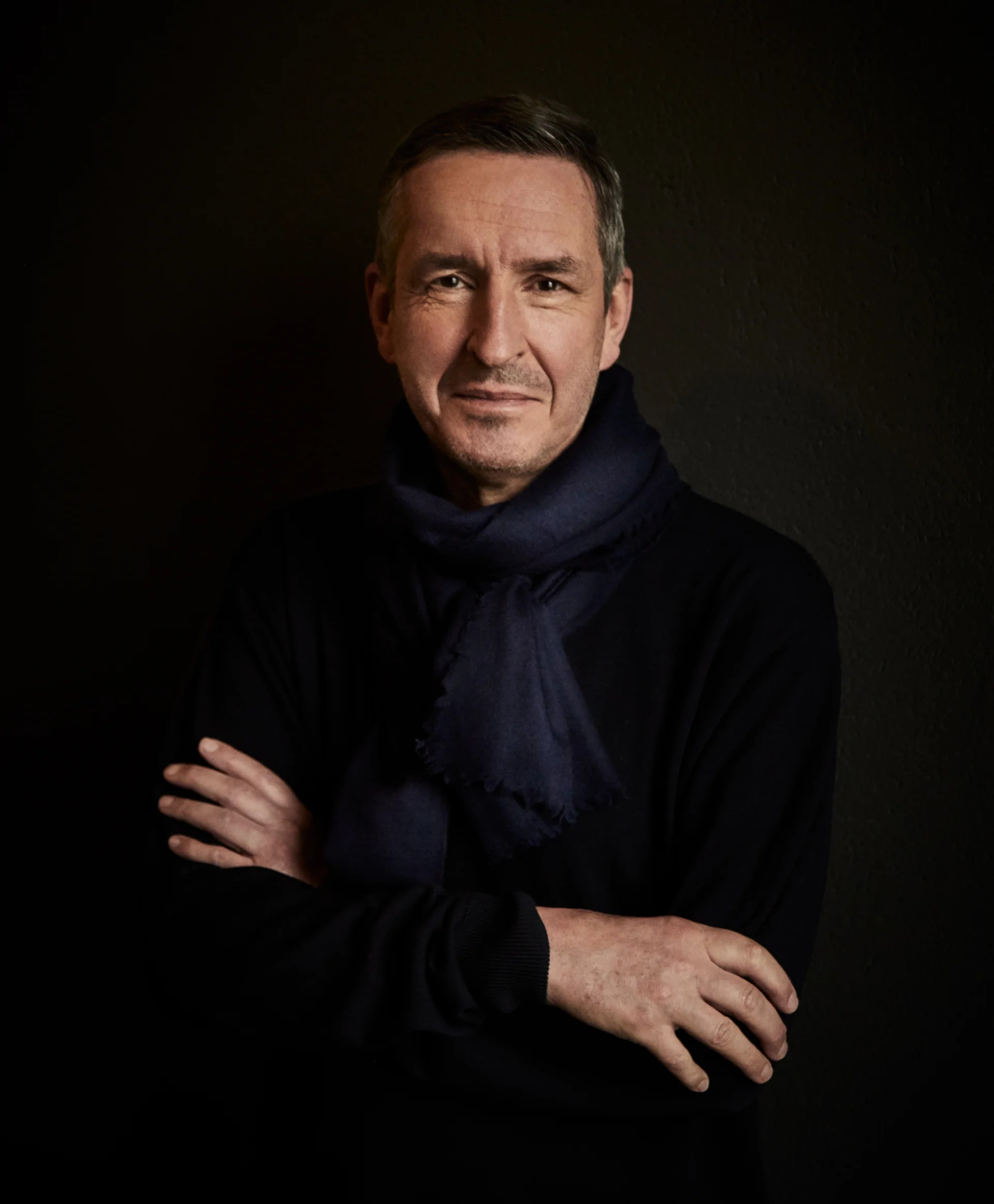
Dries Van Noten, revered for his elegant tailoring and masterful use of textiles. Photo: Courtesy of Dries Van Noten
Dries Van Noten, arguably the most famous of the six, designed Cate Blanchett’s 2008 Oscars gown—the same year he received the CFDA International Award. After 38 years, he announced his retirement from fashion, showing his final menswear collection for Spring 2025 in September 2024. Julian Klausner now serves as the creative director.
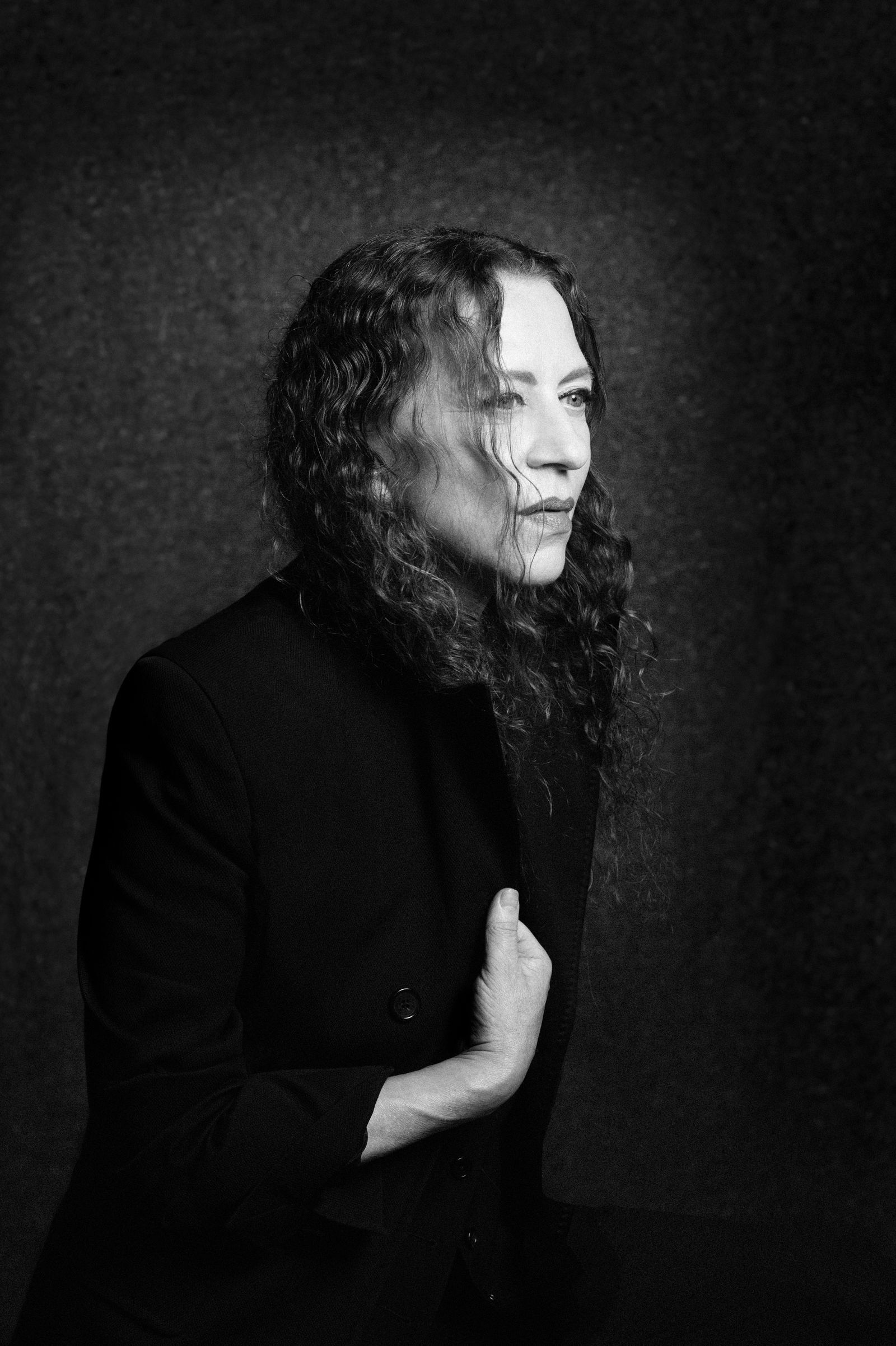
Ann Demeulemeester, known for her poetic minimalism and gothic romanticism. Photo: Courtesy of Ann Demeulemeester
Ann Demeulemeester had the strongest retail presence in America among the Antwerp Six. In 1994, she partnered with entrepreneur Anne Chapelle to expand her brand, launching a menswear line in 1996 and opening a flagship in Antwerp in 1999. Demeulemeester led her label until 2013, when she departed with a now-famous handwritten letter to the fashion press.

Dirk Bikkembergs, the first designer to merge football culture and high fashion. Photo: Courtesy of Gallery Sofie Van De Velde
Dirk Bikkembergs fused high fashion with sportswear, becoming the first designer to stage a runway show in a soccer stadium. His designs were famously modeled and tested by professional soccer players, giving his brand a distinct athletic identity.

Dirk Van Saene in his Antwerp studio, where he transitioned from design to sculpture. Photo: Courtesy of Gallery Sofie Van De Velde
Dirk Van Saene, the most reserved of the six, kept his collections limited and sold selectively. Known for his aversion to spectacle, he pivoted to sculpture and painting after the COVID-19 pandemic, debuting his first gallery show at Gallery Sofie Van de Velde.
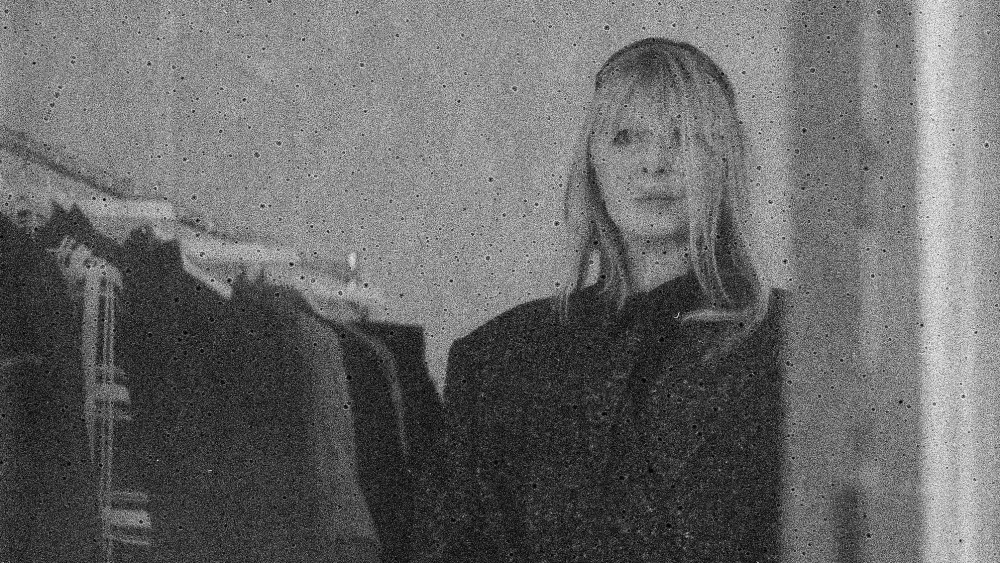
Marina Yee, a pioneer of sustainable fashion and quiet design rebellion. Photo: Courtesy of Alex Conu and Momu Antwerp
Marina Yee, the most elusive member, passed away on November 1 at age 67 after battling cancer. Her relationship with fashion was cyclical—designing for Bikkembergs from 2000 to 2002, then pivoting to upcycling and sustainability with her 2003 studio. In 2018, she presented M.Y. Project, her first collection in over a decade, solidifying her as one of the movement’s early eco-conscious pioneers.
The six designers shared one key philosophy: they rejected traditional brand-building tactics. Advertising was minimal, marketing understated. Their influence spread organically—through word of mouth, artistic merit, and cultural resonance. They embodied the “if you know, you know” ethos long before it became a marketing cliché.
The Antwerp Six remain one of the most revered collectives in fashion history. Even today, the five surviving members continue to carry the spirit of creative independence that redefined Belgian and global fashion.